

Who we are when the first day still matters
bultfonteinit grew out of repeated arrivals that went wrong for the same quiet reasons — and consultations that fix the order, not the whole itinerary.
This page explains how the project started, how we check what we publish, how a consultation is built, how we ask people to move through a neighborhood, and which partners we trust enough to name. It is not a brochure for a platform. It is the working method behind the materials and the conversations we offer.
How the project began
We did not set out to cover travel in general. We kept meeting the same broken hour: bags still on shoulders, a map open to the farthest hill, and a traveler already arguing with themselves about a day that had only just started.
Early notes came from accompanying friends and clients through stations and side streets, then comparing what actually happened with what they had written into the first afternoon. The pattern was consistent. People who knew how to travel still treated arrival as a warm-up for sightseeing. People new to a place treated a missing list as the only problem. In both cases, the missing piece was sequence.
We chose this narrow theme because it shows a town differently from a packed schedule. In the first hours you see how long a transfer really takes, where bags can rest, which shops are still open, and how much energy remains after the road. Those details rarely appear in destination lists, yet they decide whether the rest of the trip feels readable.
bultfonteinit exists to make that sequence speakable. We write about morning, midday, and evening arrivals, about the first loop that stays close to the door, and about evenings that protect tomorrow. The consultations we offer stay inside the same frame: the stretch between stepping off a platform and sleeping in a room you can find again.
We do not claim that a careful first day repairs every trip, or that travel itself improves health. When fatigue, sleep, or acclimatization become questions of care, we point people to qualified specialists. Our work stays practical: pace, order, and respect for the street you are walking on.
How we gather and check what we publish
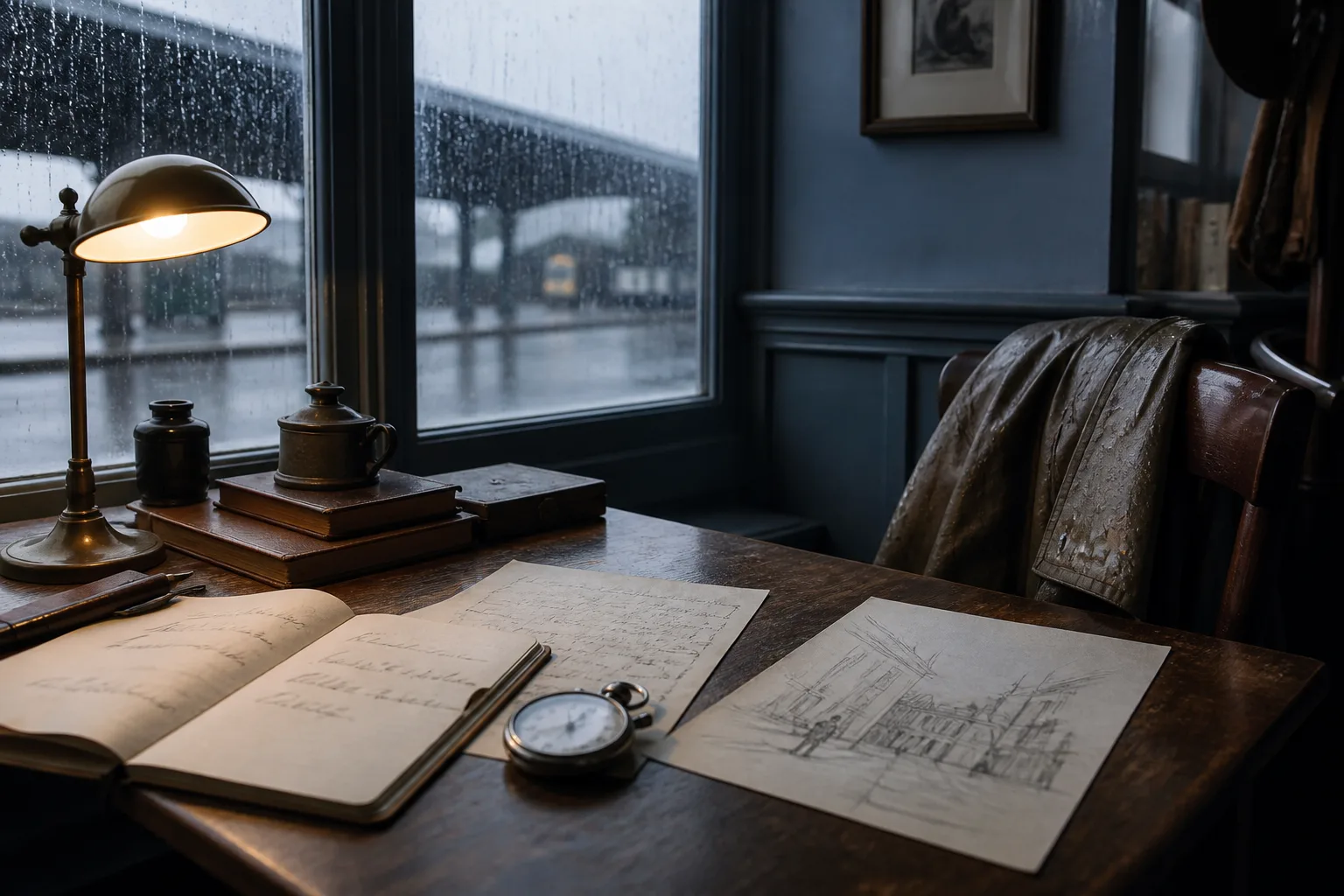
Every public note starts as a field observation: a timed walk from a door to a corner shop, a desk that closed earlier than the listing suggested, a locker that needed coins nobody carried. We write those observations down before we polish them into guidance.
Before a piece goes live, a second person on the team reads it against the original notes. We ask whether the advice still works if the arrival is late, if the host is at lunch, or if the traveler is carrying more than a day bag. Claims that only work in perfect conditions are cut or rewritten.
We also compare notes with people who keep lodgings and neighborhood walking groups. Their role is not to endorse a brand. It is to catch where our wording would push visitors into a rush, a private yard, or a path that locals treat as closed after dark. When sources disagree, we publish the disagreement rather than invent a single confident rule.
Dates of schedules and opening hours are never treated as permanent. We describe patterns — morning desks, evening kitchens, short first loops — and remind readers to confirm details with the people who will meet them on the day. The materials are for understanding our method and preparing a conversation, not for replacing a live check.
From first message to a usable first-day plan
A consultation is a short working document for the hours after arrival. It is not a full trip redesign. The steps below are how we move from your note to something you can actually follow when you are tired.
-
1. Read the arrival window
You tell us when you expect to land, how you will reach the door, and what you are tempted to squeeze into that day. We sort morning, midday, and evening constraints before we talk about sights.
-
2. Lock the first hour
Bags, key, water, and a place to sit come before any longer walk. We mark what must happen before you leave the room, including a backup if the desk is closed.
-
3. Size the first loop
We draw a loop that can shrink if the transfer ran long. It usually stays within a few blocks: a shop, a landmark you can name without a screen, and a path back that still makes sense after dark.
-
4. Protect tomorrow
The written plan ends with how the evening closes: what to note for the next morning, what to leave for a later day, and when an early night is the correct move rather than a failure.
How we ask travelers to meet a place
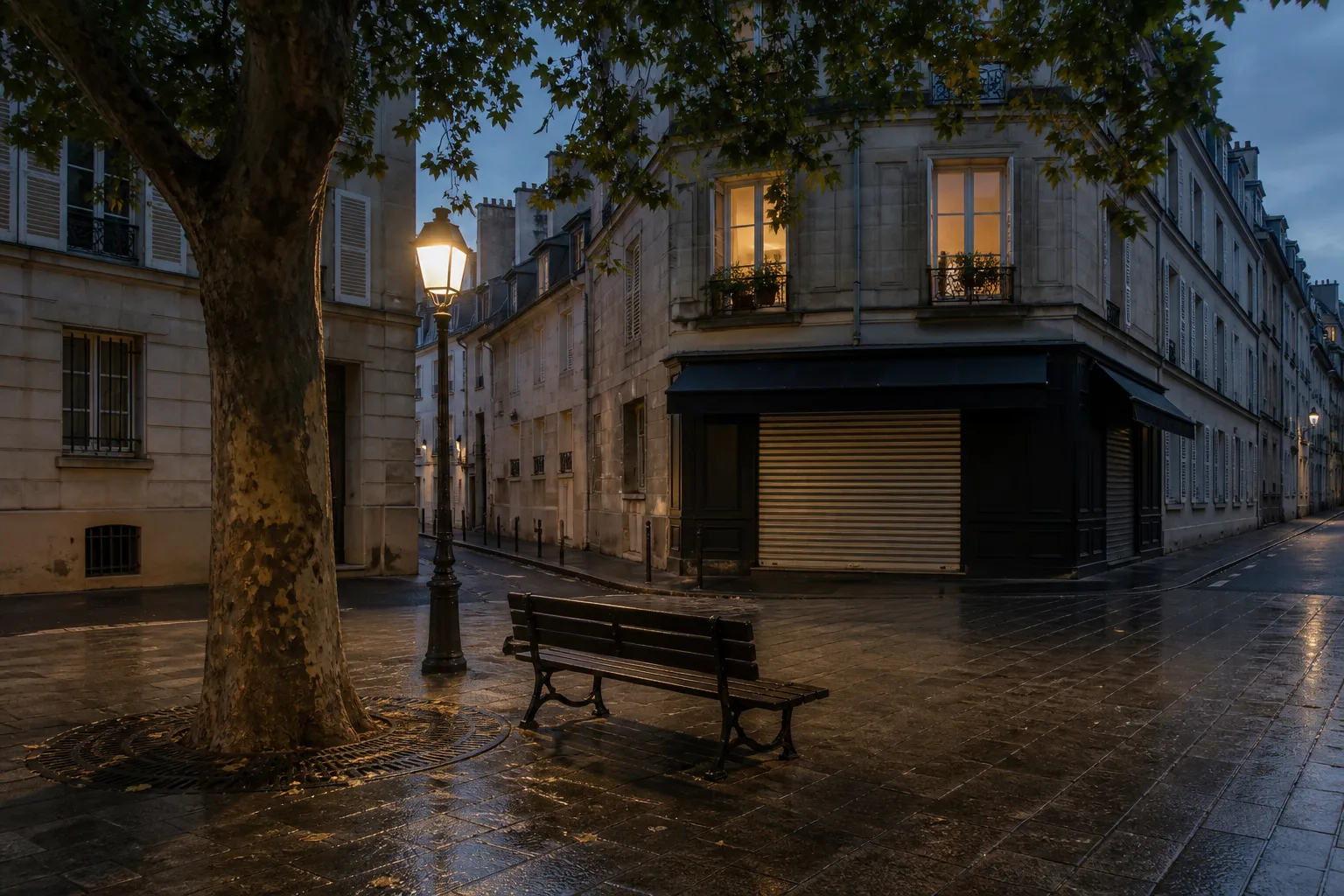
A first day is also a first impression you leave on a street that was not empty before you arrived. We write with that in mind. The short loop is not only about saving energy. It keeps you out of private courtyards, service lanes, and late-night shortcuts that look convenient on a map and rude on the ground.
We ask people to notice who works the corner they are using — the person locking a shutter, the parent walking children home, the desk clerk finishing a long shift. Pausing to ask a clear question is better than filming a doorway or blocking a narrow pavement while you argue with a phone.
Noise, litter, and “just one more photo” at a residential window are not small costs when they repeat all season. Our guidance prefers one readable landmark over a circuit of trophies. If a place asks visitors to keep distance, we treat that request as part of the route, not as an optional mood.
Orientation should leave the neighborhood easier to live in after you pass through — not louder, not filmed into a performance, and not treated as a backdrop for a rushed first evening.
From our internal notes on first-loop fieldwork
Partners we work with — and how we choose them
We name a small set of organizations that help us test language and routes. They are independent of our consultations. We do not sell access to a platform through them.
A partner stays on our list only if their practice matches the first-day frame: honest timing, respect for residents, and a willingness to say when a plan is too ambitious for an arrival evening. We review the relationship when either side changes how they work with visitors.
- Harborline Lodging Circle
- A network of independent desk managers who share notes on late check-ins, bag storage, and how long it really takes to walk from common arrival points to their doors. We use their timing sheets when we build first-hour plans.
- Elm Court Place Literacy Lab
- A research group that studies how people remember streets without constant map checks. Their cue lists — slopes, clocks, crossings, lit corners — shape how we write orientation language.
- Northbridge Arrival Walks
- Volunteer walk leaders who accompany first evenings that stay inside a few blocks. They flag routes that look short on paper and fail when someone is carrying luggage or walking with children.
- Quiet Hours Hostel Forum
- A working group of small lodgings that publish quiet-hour expectations for shared corridors. We consult them when evening guidance risks sending people into noisy returns after dark.
Contact Us
If you want a personal reading of your arrival window — the transfer, the door, the size of the first loop — send the details you already know. We reply with a consultation for that slice of the route.
Read the field notes
Articles expand single problems from the first day: evening arrivals, the first hour after you land, reading a neighborhood without a phone, and why the farthest sight can wait.
About the materials on this site
bultfonteinit provides knowledge about first-day arrival, orientation, and the practical order of a new place. The pages here are meant to help you understand our consultations and the way we work with this part of a trip. They are not a substitute for local rules, carrier instructions, or the people who keep a street running.
Questions about health, fatigue after a long transfer, sleep, or acclimatization belong with qualified specialists. A travel desk cannot assess those matters, and nothing on this site should be read as medical, legal, or safety advice. If you feel unwell after a journey, seek professional care rather than a change of itinerary from a website.
You decide how to travel. We are not responsible for choices made from these notes: missed connections, closed desks, weather, or a walk that turned out longer than it looked. Conditions change between trips. Timetables, opening hours, and on-the-ground requirements shift, so details should be checked again directly before you go — with the host, the carrier, and the people who work the street you will actually use.