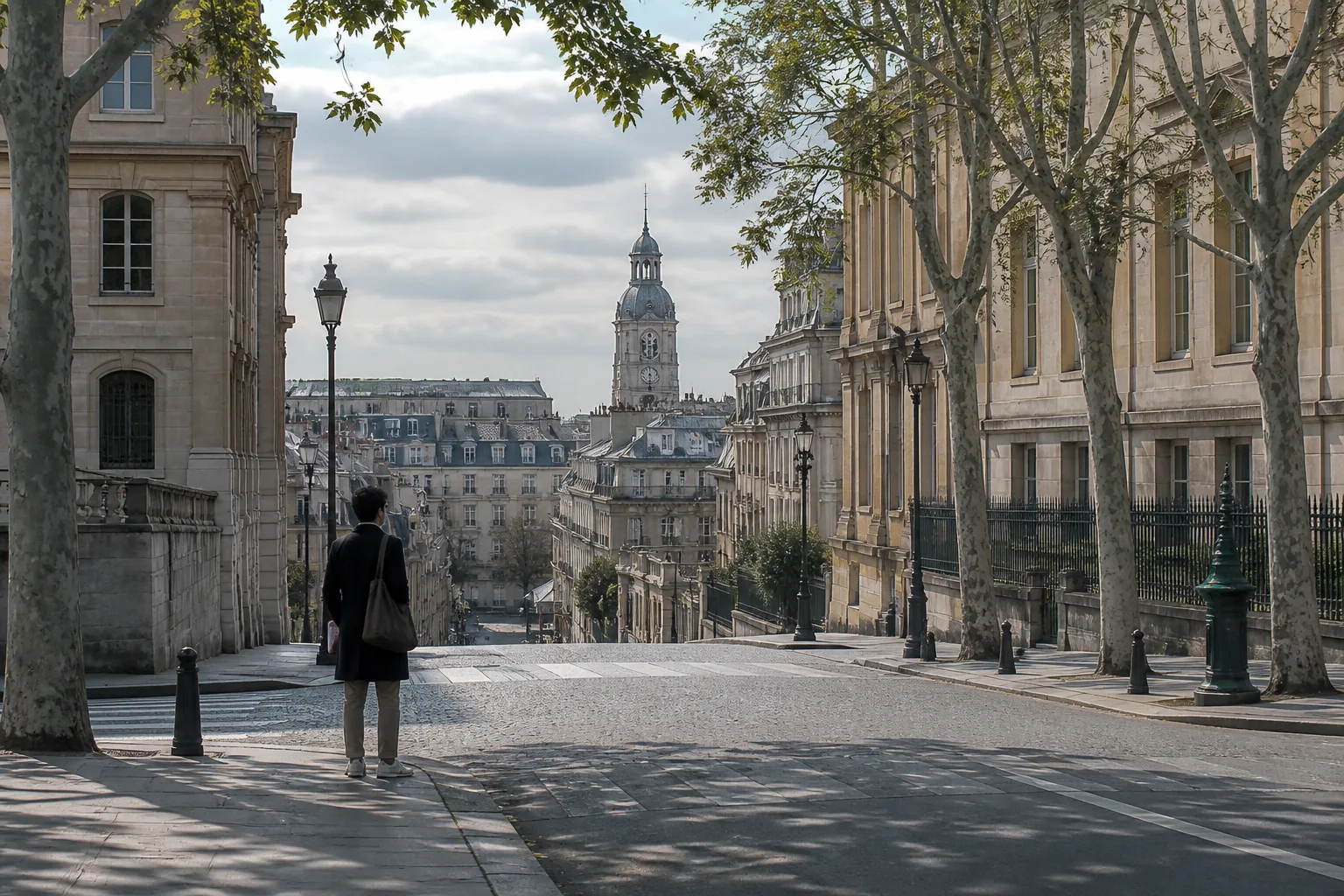
Why the Farthest Sight Can Wait
The object that looks best on a saved photo is often the one that costs the most on day one: long transfers, stairs, and a return you cannot yet measure. Leaving it for tomorrow is not missing the trip. It is how you keep spare energy and meet the second morning already oriented.
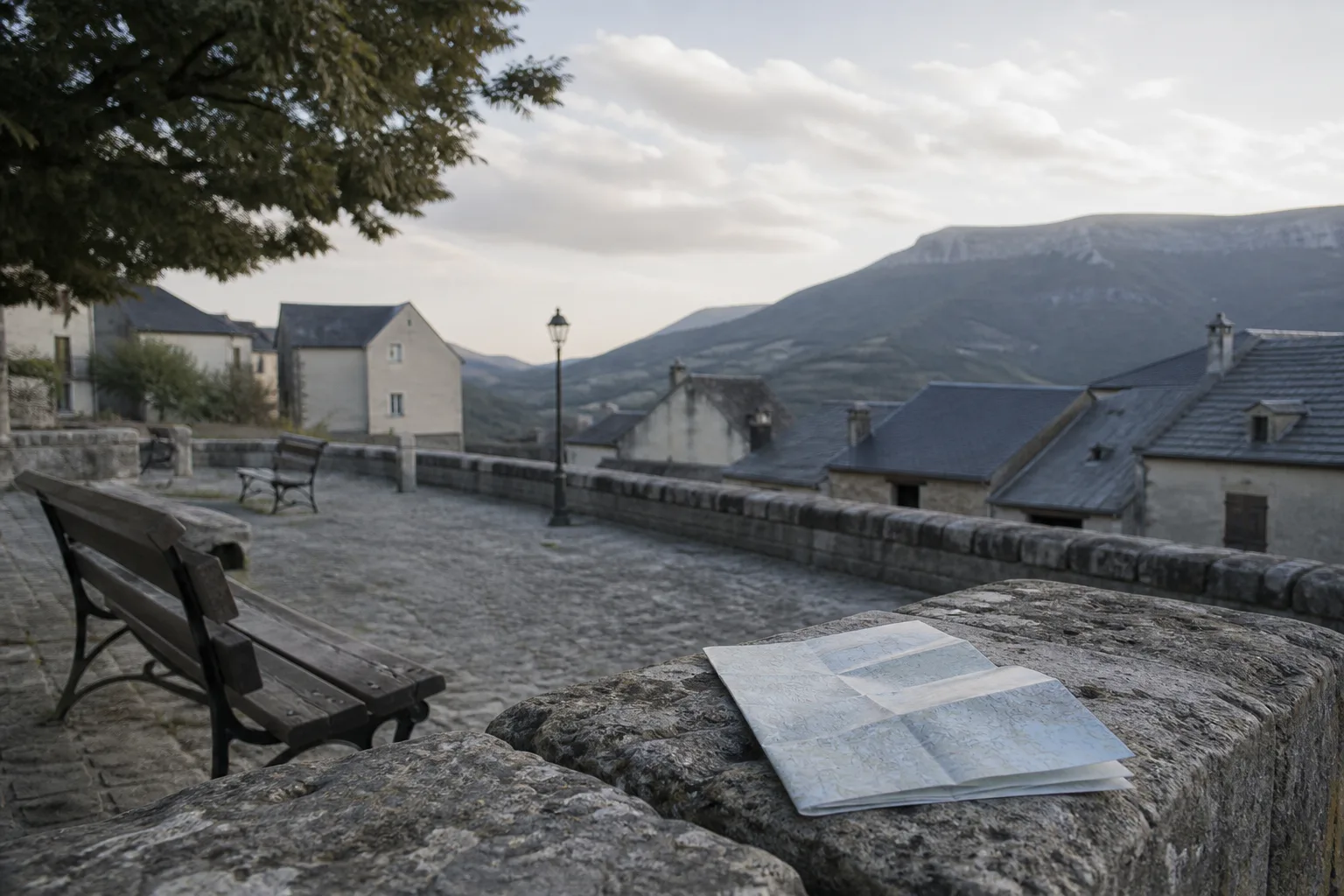
The postcard trap on day one
Arrival days invite overreach. You have been sitting for hours. The list on your phone feels like a debt. The farthest ridge or square becomes proof that the trip has started. On paper it looks efficient: do the hard thing first. On the ground it usually fails. You do not yet know how long the walk home takes, where water is, or how early local shops close.
The cost is rarely dramatic. It is a slow drain: one extra transfer, one wrong stair, one argument about whether you should have stayed closer. By evening you have a photo and no patience left for the neighborhood that will hold the rest of the stay.
Waiting does not mean never going. It means sequencing. First you own the door and a short loop. Then you own the timing of the longer walk. The postcard is still there when the body can keep it.
What “spare energy” actually means
Spare energy is not a score to spend before dark. It is the margin that lets tomorrow start without resentment. Plans that can shrink are honest plans. Plans that require you to be at your best after a hard transfer are wishes dressed as schedules.
- Keep day one inside a radius you can reverse without panic.
- Treat leftover energy as a resource banked for the farther sight.
- Measure the home walk once while you are still fresh enough to notice it.
- Refuse “just one more stop” language when bags and fatigue are still present.
If you travel with others, agree on the limit before you leave the room. One person chasing the ridge while another needs rest turns the first day into a negotiation. Name the near loop and the later prize out loud.
The farthest object belongs to a day when you already know how long the walk home takes — not to the hour when you still cannot find the door twice.
A sequence that keeps the longer walk honest
- Finish the first-hour set: door, bags, water, a short sit.
- Walk a near loop and collect two or three cues you can name without a screen.
- Note opening hours and transfer times you actually observed, not only what was listed in advance.
- Schedule the distant sight for a later clock when those notes still make sense.
This order looks conservative. It produces better photographs and calmer evenings than a first-day sprint. The ridge from the square in soft light is still a ridge when you arrive with bearings and a return route that is not a guess.
What to tell yourself instead of “we wasted the day”
A day that builds orientation is not empty. It is the base layer every longer outing needs. Write one line for tomorrow: when you will leave, how you will get there, and what you will skip if the morning starts late. That line is the real itinerary. The postcard can wait its turn.
Compare two versions of the same trip. In the first, you force the distant sight after a long transfer, return late, and spend the next morning recovering instead of walking. In the second, you keep day one near the door, sleep, and reach the ridge when you already know the slope home. The second version usually holds more of the place, not less — because you still have attention left for what you see.
Weather, desk hours, and companions change the details, but the principle stays. Distance is a cost you pay with energy and time. Pay it when you can afford the return. Until then, the near streets are not a consolation prize. They are the part of the trip that teaches you how the rest will feel under your feet.
In consultations we ask people what they are tempted to squeeze into arrival day. Almost always it is the farthest thing. Almost always the better first answer is a smaller loop and a protected second morning. The trip does not shrink when you wait. It becomes readable.